


The Boy Who Loved and its sequel, The Boy With a Broken Heart, by Durjoy Datta, are two of my most favourite Datta novels, to which I keep going back. As a fan of Durjoy Datta’s writing, I knew the story was going to be promising, exploring the depths and skies of various themes, and yes, I was right. The novel does not depict love as a fairytale romance; instead, it shows how love can be difficult yet healing for an emotionally destroyed person.
As the pages turned, I was completely invested in Raghu’s story, written in a diary-entry format, which made it even more interesting. The characterisation is solid, with no unnecessary characters or drama, and what I liked about Datta’s writing is his realistic portrayal, which was apt in the novel.
Here, I present my honest spoiler-free The Boy Who Loved review, exploring the themes, writing style, interesting takes, and more. Get your copies because this emotional read will stay with you longer than you imagined.
A Quick Spoiler-Free Synopsis of The Boy Who Loved Book
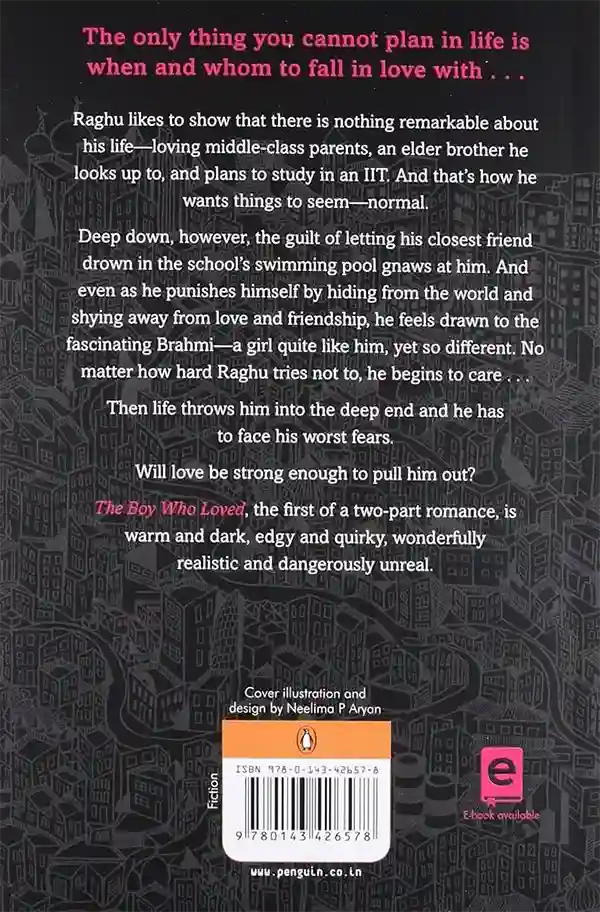
“The only thing you cannot plan in your life is when and whom to fall in love with.” The story of The Boy Who Loved precisely brings this quote to life by showing how love often arrives when we least expect it, sometimes when we’re struggling to love or even accept ourselves.
The Boy Who Loved introduces the reader to Raghu Ganguly- a school-going boy, haunted by the ghosts of his past. Living the life of a regular person, he was crushed under guilt, carrying the emotional weight of failing to save his friend, Sami, from drowning and letting him die. The guilt consumes him from within, but it is a girl named Brahmi Sharma who brings him hope and healing.
Brahmi Sharma, a free-spirited girl with her fair share of personal struggles and past traumas, bonds with Raghu over their shared brokenness, offering love and healing to each other. With a complete roller coaster ride of mental health issues and societal orthodoxy, the novel leaves the readers on a cliffhanger, leading to the sequel “The Boy With the Broken Heart”.
Themes and Emotional Depth in Datta’s The Boy Who Loved Book
Apart from finding love, the novel delves into multiple themes, such as adolescent depression, mental health issues, guilt, grief, and trauma, societal judgment, the evils of orthodoxy, and more. Rather than treating it as a plain love story, Datta once again impresses his audience with something unconventional in Indian romance writing.
Here are three themes I find interesting, and these stayed with me throughout:
1. Adolescent Depression and Mental Health Issues
One instance that stayed with me in the novel is how Raghu is dealing with adolescent depression.
Raghu says, “I have been lying to myself and everyone around me for precisely two years now…But lying to yourself? That shit’s hard, that will change you.” This illustrates his silence as a form of emotional repression, which comes forth later in uglier ways, and the fear of appearing vulnerable as a man.
Similarly, Brahmi’s abusive home, marked by emotional neglect and violence, transforms her “home”, a safe space, into a site of psychological trauma.
2. Societal Judgement, Hypocrisy, and Evils of Orthodoxy
One thing that I really like about Durjoy Datta’s writing is his commentary on social issues, the realistic portrayal of Indian society, and its deep-rooted bias.
The novel portrays Raghu’s family as a typical Bengali family, proud of their culture, traditions, religion, and most importantly, proud of being Indian. His brother’s decision to marry a Muslim girl was heavily opposed by his orthodox parents, reflecting the religious bias and nationalist sentiments intensified due to the ongoing tensions between India and Pakistan in the 1999-2000s.
Hence, despite being a fiction book, this is what brings it closer to reality. With an authentic portrayal of teenagers caught in struggles, families opposing the children’s need to make decisions for themselves, and many other complexities, the novel challenges a happily-ever-after.
3. Guilt, Grief, and PTSD
The Boy Who Loved centres on Raghu, a teenager struggling with the devastating loss of his elder brother in an LPG cylinder explosion. This tragedy leaves him completely guilt-ridden and overwhelmed by grief and emotional trauma. In addition to this loss, he is constantly haunted by the ghosts of his past, which resurface time and again. These painful experiences shape Raghu’s psychological condition and intensify the survivor’s guilt, which eventually defines his personality throughout the narrative.
However, what truly destroys and pushes him into depression is the inability to communicate his feelings to anyone. In my opinion, he fears emotional attachment because for him, every emotional attachment can be a reminder of previous losses. However, Datta also presents the character evolution by enabling Raghu to confront his past through journal writing.
Durjoy Datta’s Writing Style in The Boy Who Loved
Like many of Durjoy Datta’s novels, The Boy Who Loved is best known for its romance, but what I liked about this book is how it uses romance as a subtle counterpoint to its darker, edgier themes of mental health and societal judgment. Similarly, what appeals to Datta’s fans is his signature fast-paced and conversational writing and contemporary language, which was used appropriately in The Boy Who Loved.
Here are some things you need to know about the writing style in Datta’s The Boy Who Loved:
- The novel is written from a first-person perspective, that is, from Raghu Ganguly’s vision.
- It follows a diary-entry format, which helps the reader to experience Raghu’s guilt and pessimism firsthand.
- Datta once again presents relatable characters who are flawed and carry their own set of struggles; hence, love is not romanticised.
- Simple conversational style and contemporary language.
An Interesting Take on The Boy Who Loved Book Cover
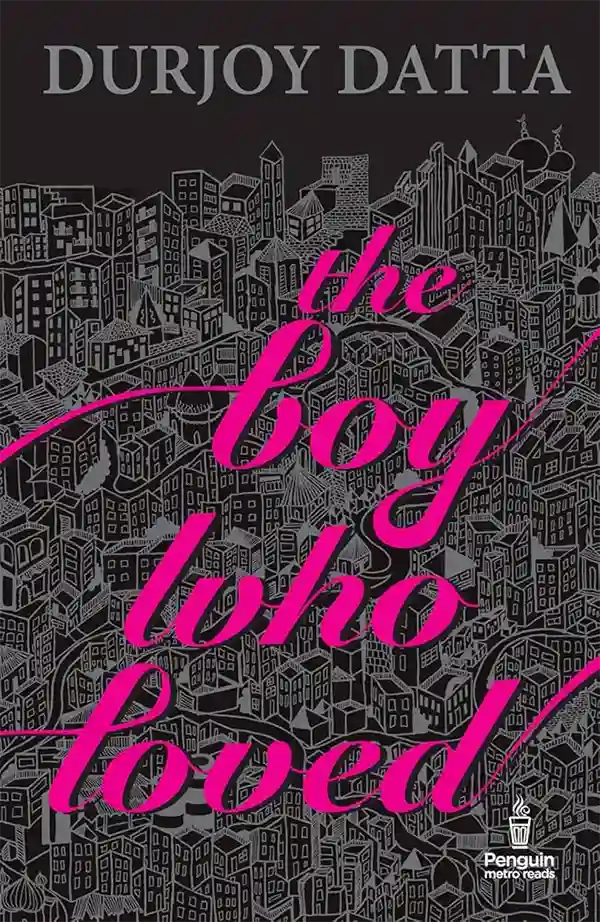
- If the readers look closely at the cover page, it depicts multiple buildings, including the mosque, which may be a subtle critique of the ongoing India-Pakistan tensions in the 1999-2000s, highlighting the co-existence of both religions.
- These tall buildings may also reflect Raghu’s suicidal intentions, against the backdrop of his gloomy life, showcased in dark colours and themes.
Final Verdict: Is the Boy Who Loved Worth Reading
Yes, The Boy Who Loved is one of Durjoy Datta’s best-selling novels, highly popular among the audience for its contemporary themes, the issues it raises, and, of course, Durjoy Datta’s signature writing style, which makes it personal and relatable, offering every character’s firsthand experience.
Rather than presenting a picture of idealised romance, perfect couples, and a happily-ever-after, Datta focuses on presenting love that promises hope and healing during the times when you need it the most.
What I liked the most about this book is its appropriate addressing of orthodox issues, the hypocrisy of Indian society, and the evils that stand firm within the structure, dealt in the form of sub-themes. Datta adds a sense of realism by adding the real details, such as India-Pakistan conflicts, cricket matches, and TV shows. The novel centres heavily on guilt, past traumas, PTSD, and suicidal thoughts, along with the inability to communicate these feelings, which shapes an individual’s identity, making them emotionally isolated and self-destructive.
Readers Who Will Enjoy The Boy Who Loved:
- Fans of Datta’s contemporary and relatable writing style
- Readers who like exploring dark themes
- Diary-Entry Format
- Individuals dealing with mental health challenges
Frequently Asked Questions (FAQs)
Q1. Is The Boy Who Loved a real story?
Ans. No, The Boy Who Loved is purely a story of fiction with no resemblance to the real-life characters. It talks about the story of Raghu and Brahmi, thor share of struggles, and how love helps an individual to heal, grow, and survive the world.
Q2. Which is the best Durjoy Datta book?
Ans. The Boy Who Loved, The Boy With a Broken Heart, The Perfect Us, Touch of Eternity, Now That We’re Rich, Of Course I Love You, are some of the best-selling novels of Durjoy Datta, highly popular among the young-adult audience.
Q3. What is the book The Boy Who Loved about?
Ans. The Boy Who Loved is a story of a young boy, Raghu Ganguly, a guilt-ridden character who considers himself responsible for the death of his friend. Completely isolated, self-destructive, and suicidal, he meets Brahmi Sharma and falls in love with her. For him, Brahmi brings new hope and a promise of healing and growth in the journey ahead.
Q4. What are the themes in The Boy Who Loved?
Ans. Adolescent depression and mental health issues, societal judgment, guilt, grief, and PTSD are some dominant themes in the novel The Boy Who Loved.
Q5. Is the novel The Boy Who Loved worth reading?
Ans. Yes, The Boy Who Loved by Durjoy Datta definitely deserves a special place in your to-be-read list, because more than plain romance, the novel explores multiple themes that resonate with audiences.